
The History of Apitherapy Around the World

For thousands of years, people around the world have looked to the honey bee not only as a source of honey, but also for the remarkable substances produced within the hive. Honey, beeswax, propolis, royal jelly, pollen, and even bee venom have all been used in various traditional practices throughout history.
Today, the use of bee-derived products is commonly referred to as apitherapy. While modern scientific research continues to explore these natural substances, many of their traditional uses date back to some of the world's earliest civilizations.
What Is Apitherapy?
The word apitherapy comes from the Latin word apis, meaning "bee."
It refers to the traditional use of products made by honey bees, including:
Honey
Beeswax
Propolis
Bee pollen
Royal jelly
Bee venom
Different cultures have valued these hive products in different ways, and many continue to be appreciated today.
Ancient Egypt
Some of the earliest recorded uses of bee products come from Ancient Egypt.
Honey was highly prized and was used as both a food and a valuable trade item.
Historical records show that it was also included in a variety of traditional preparations. Beeswax was used to make candles, cosmetics, and seal containers, while honey was even placed in tombs because of its importance in Egyptian culture.
Honey bees were so respected that they became an official symbol of Lower Egypt.
Ancient Greece
The Greeks held bees in high regard.
Writings attributed to philosophers and physicians, including Aristotle and Hippocrates, mention honey and other bee products as part of traditional health practices of the time.
Greek beekeeping methods also helped shape many techniques that influenced later generations throughout Europe.
Ancient Rome
The Romans expanded beekeeping throughout their empire.
Honey remained one of the primary natural sweeteners available before refined sugar became common, while beeswax was widely used for candles, waterproofing, writing tablets, and many household applications.
Roman writers documented observations about bees, hive management, and the value of hive products.
Traditional Chinese Practices
Bee products have been used in traditional Chinese practices for centuries.
Honey, propolis, royal jelly, pollen, and bee venom have all been incorporated into various traditional approaches, alongside many herbs and other natural materials.
These practices continue to be studied alongside modern scientific research.
Traditional Uses in Eastern Europe
Many Eastern European countries have a long history of beekeeping and traditional use of hive products.
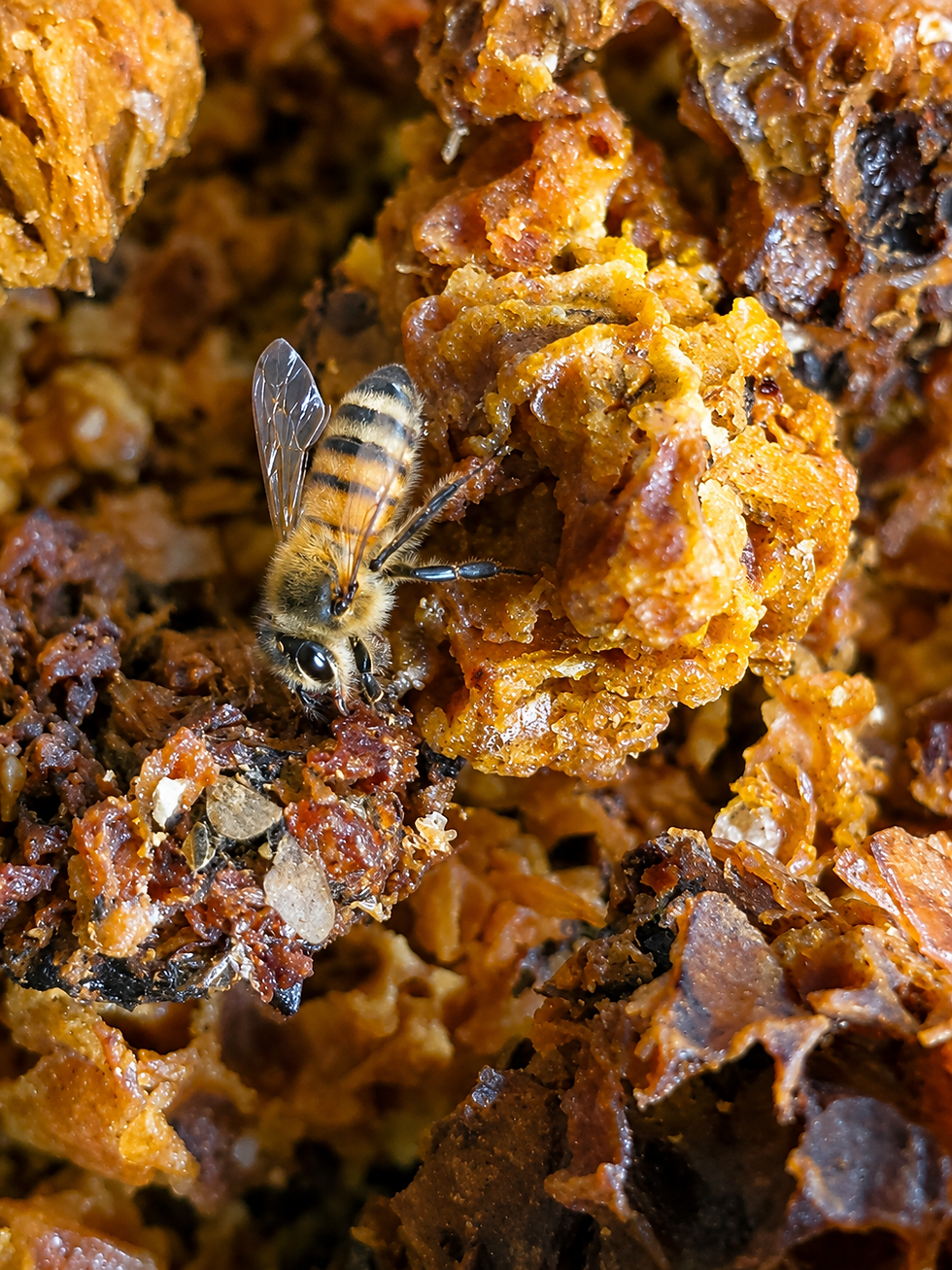
Propolis, in particular, became well known because bees naturally use it within the hive to seal small openings and help maintain the colony's environment.
Interest in bee venom also expanded in parts of Eastern Europe, leading to additional research during the twentieth century.
Indigenous Traditions
Around the world, many Indigenous cultures developed their own relationships with native bee species and honey.
While not every region had honey bees (Apis mellifera), stingless bees and other native species provided honey, wax, and other materials that were valued for food, ceremonies, and traditional practices.
These traditions remind us that humanity's connection with bees extends far beyond a single species or continent.
Modern Interest in Apitherapy
Today, interest in bee products continues to grow.
Researchers are studying the properties of honey, propolis, bee pollen, royal jelly, beeswax, and bee venom to better understand their composition and potential applications.
At the same time, many people simply appreciate these products as natural gifts produced by one of nature's most remarkable insects.
It's important to remember that research is ongoing, and bee products should not be viewed as replacements for professional medical care.
The Importance of Healthy Honey Bees
None of these remarkable hive products would exist without healthy honey bee colonies.
Responsible beekeeping focuses on providing bees with suitable habitat, careful management, and respect for the colony's natural behaviors.
Healthy bees benefit not only beekeepers but also gardens, farms, orchards, and countless flowering plants that depend on pollination.
Our Approach to Bee Products
At Hi Vibe Honey Bees & Apothecary, we believe one of the best ways to appreciate bee products is by first appreciating the bees themselves.
Our colonies are managed with a focus on their long-term health and well-being. We never heat our raw honey, and our bees are never fed sugar water during honey production. Every product we offer begins with respect for the incredible work of the honey bee.
Whether you're interested in raw honey, propolis, beeswax, pollen, or learning more about bee venom therapy, understanding the long history of apitherapy offers a greater appreciation for the relationship between humans and honey bees that has continued for thousands of years.
Continue Learning
Interested in learning more about the remarkable products honey bees create? Continue exploring these related articles:
Explore Bee Products
Discover the natural products that have fascinated people for centuries. From raw honey to propolis and beeswax, explore our handcrafted collection inspired by the incredible work of honey bees.
Explore Our Shop
Browse our collection of handcrafted products inspired by nature.


Comments