
The Life of a Honey Bee Colony

A honey bee colony is much more than a collection of individual bees—it's a highly organized community where thousands of insects work together for the survival of the hive.
Every bee has a role to play, from caring for developing brood to gathering nectar and defending the colony. As the seasons change, so do the needs of the hive, creating a remarkable cycle that repeats year after year.
Understanding the life of a honey bee colony offers a fascinating glimpse into one of nature's most successful social systems.
A Colony Begins
Every honey bee colony starts with a queen.
After mating early in her life, the queen returns to the hive where her primary responsibility becomes laying eggs. During the busy spring and summer months, a healthy queen may lay well over a thousand eggs each day, helping the colony grow rapidly when food is abundant.
Around her, thousands of worker bees care for every aspect of colony life.
The Three Types of Honey Bees
Every colony contains three different types of honey bees, each serving a unique purpose.
The Queen
There is typically one queen in a healthy colony.
Her primary role is laying eggs and producing pheromones that help organize and stabilize the colony. While she is the only fertile female in the hive, she depends entirely on the worker bees for feeding, grooming, and care.
Worker Bees
Worker bees make up the vast majority of the colony.
These female bees perform nearly every task needed to keep the hive functioning, including:
Cleaning cells
Feeding developing larvae
Producing beeswax
Building honeycomb
Guarding the hive
Regulating hive temperature
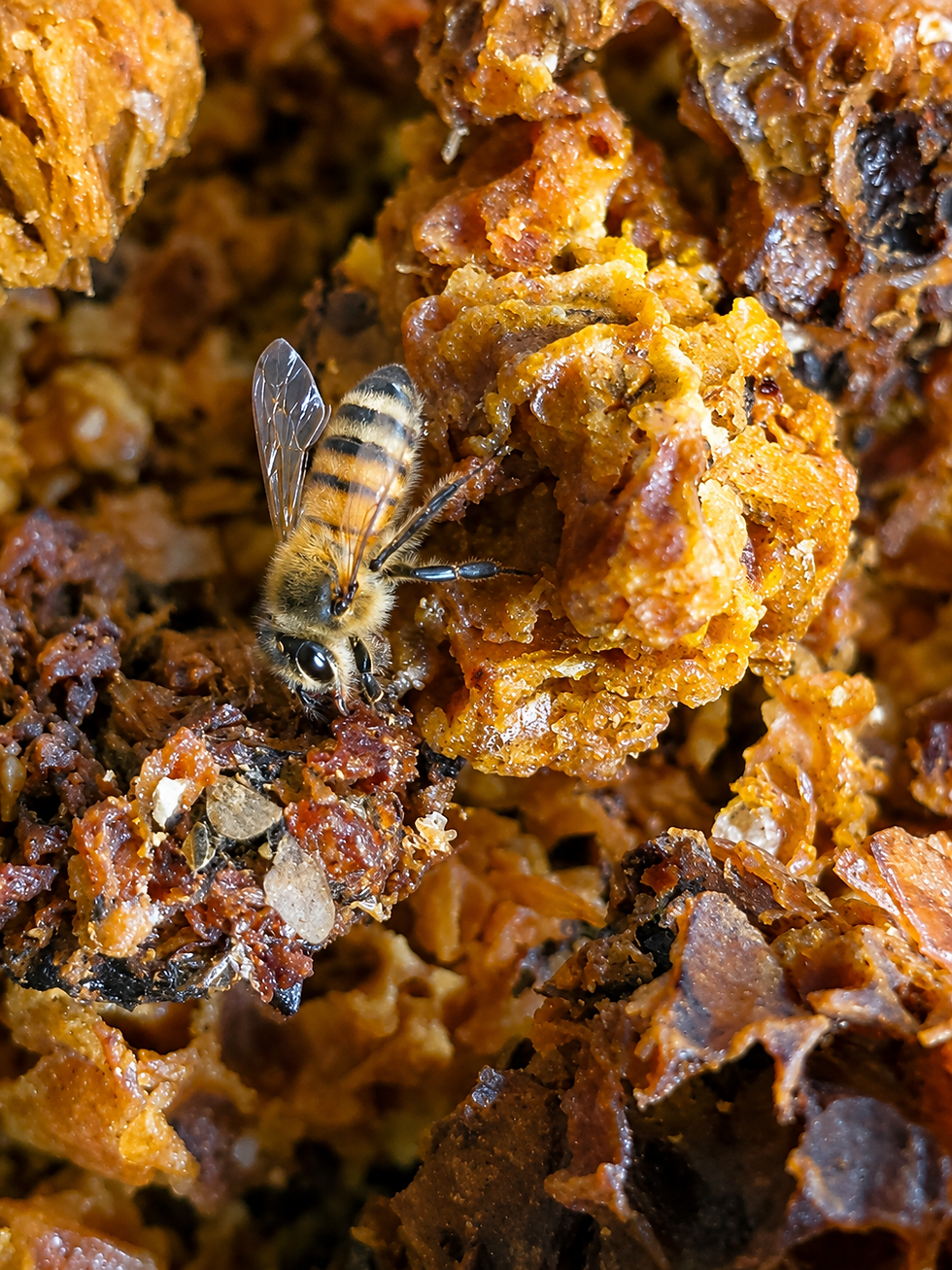
Collecting nectar, pollen, water, and propolis
Producing honey
As they age, worker bees transition through different jobs, allowing the colony to use its workforce efficiently.
Drones
Drones are the male honey bees.
Unlike worker bees, drones do not gather nectar or pollen, produce wax, or defend the hive. Their primary role is to mate with queens from other colonies, helping maintain healthy honey bee genetics.
As winter approaches, drones are typically removed from the colony since they no longer serve a purpose during the colder months when resources become limited.
Growing the Next Generation
Inside the hive, new bees develop through four stages:
Egg
Larva
Pupa
Adult bee
Worker bees carefully feed and care for the developing brood, maintaining the proper temperature and humidity needed for healthy development.
This constant care allows the colony to continually replace aging workers and expand during the growing season.
Spring: A Season of Growth
As temperatures warm and flowers begin blooming, the colony enters one of its busiest times of year.
The queen increases egg production, worker bees collect fresh nectar and pollen, and the hive grows rapidly.
If conditions are favorable and the colony becomes crowded, the bees may prepare to swarm, allowing part of the colony to establish a new home while the original hive continues under a newly raised queen.
Summer: Peak Activity
Summer is often the busiest season for a honey bee colony.
Thousands of foraging bees leave the hive each day, visiting flowers to collect nectar, pollen, water, and plant resins used to produce propolis.
Inside the hive, other workers continue raising brood, building comb, processing nectar into honey, and maintaining ideal conditions for the colony.
Autumn: Preparing for Winter
As flowering plants begin to fade, the colony shifts its focus toward survival.
The queen gradually slows egg production while worker bees concentrate on storing enough honey to sustain the colony through winter.
The hive population begins to decrease, and drones are typically expelled to conserve valuable food resources.
Winter: Surviving Together
Unlike many insects, honey bees remain active throughout winter.
Instead of hibernating, they form a tight cluster around the queen, generating heat by vibrating their flight muscles.
The bees slowly consume their stored honey while working together to keep the center of the cluster warm enough for survival until spring arrives.
Every Bee Matters
Although each individual honey bee has a relatively short lifespan during the active season, the colony itself can thrive for many years when conditions are favorable.
The strength of the colony comes not from any single bee, but from thousands of individuals working together with remarkable cooperation and efficiency.
This teamwork is one of the reasons honey bees continue to fascinate beekeepers, researchers, and nature enthusiasts around the world.
Our Appreciation for Honey Bees
At Hi Vibe Honey Bees & Apothecary, caring for healthy honey bee colonies is at the heart of everything we do.
Whether we're managing our own hives, safely relocating swarms, producing raw honey, or educating others about pollinators, we believe understanding how a colony functions helps foster greater appreciation for these incredible insects.
Healthy colonies not only produce honey—they help support gardens, farms, native plants, and ecosystems through the essential work of pollination.
Continue Learning
Interested in learning more about honey bees and beekeeping? Continue exploring these related articles:
Honey bees are at the center of everything we do. From Hive Management and Rent a Hive to Swarm Removal, we're committed to caring for healthy colonies while helping people better understand these remarkable pollinators.


Comments