
The Importance of Supporting Small Farms and Bees

Updated: Jul 2
In a world increasingly dominated by large-scale agriculture and industrial farming, the significance of small farms and the vital role of bees cannot be overstated. These small-scale operations not only contribute to local economies but also play a crucial role in maintaining biodiversity and ensuring food security. As consumers, our choices can have a profound impact on these essential components of our ecosystem. This blog post explores the importance of supporting small farms and bees, highlighting their benefits, challenges, and how we can make a difference.
The Role of Small Farms in Our Communities
Small farms are often the backbone of rural communities. They provide fresh produce, create jobs, and foster a sense of community. Here are some key reasons why supporting small farms is essential:
Economic Benefits
Job Creation: Small farms employ a significant number of people, often providing jobs to local residents. This helps to keep money within the community, boosting the local economy.
Local Produce: Small farms often focus on growing a variety of crops, which can lead to fresher and more diverse food options for consumers. This not only supports local diets but also reduces the carbon footprint associated with transporting food over long distances.
Sustainable Practices: Many small farms prioritize sustainable farming methods. They often use organic practices, crop rotation, and other techniques that preserve soil health and reduce chemical usage.
Environmental Impact
Biodiversity: Small farms contribute to biodiversity by growing a variety of crops and maintaining natural habitats. This diversity is crucial for ecosystem health and resilience.
Pollinator Support: Small farms often provide habitats for pollinators, such as bees, which are essential for the reproduction of many plants. By supporting small farms, we also support the ecosystems that rely on these pollinators.
Soil Health: Small-scale farming practices tend to focus on maintaining soil health through organic matter and crop rotation, which can lead to healthier ecosystems.
The Vital Role of Bees
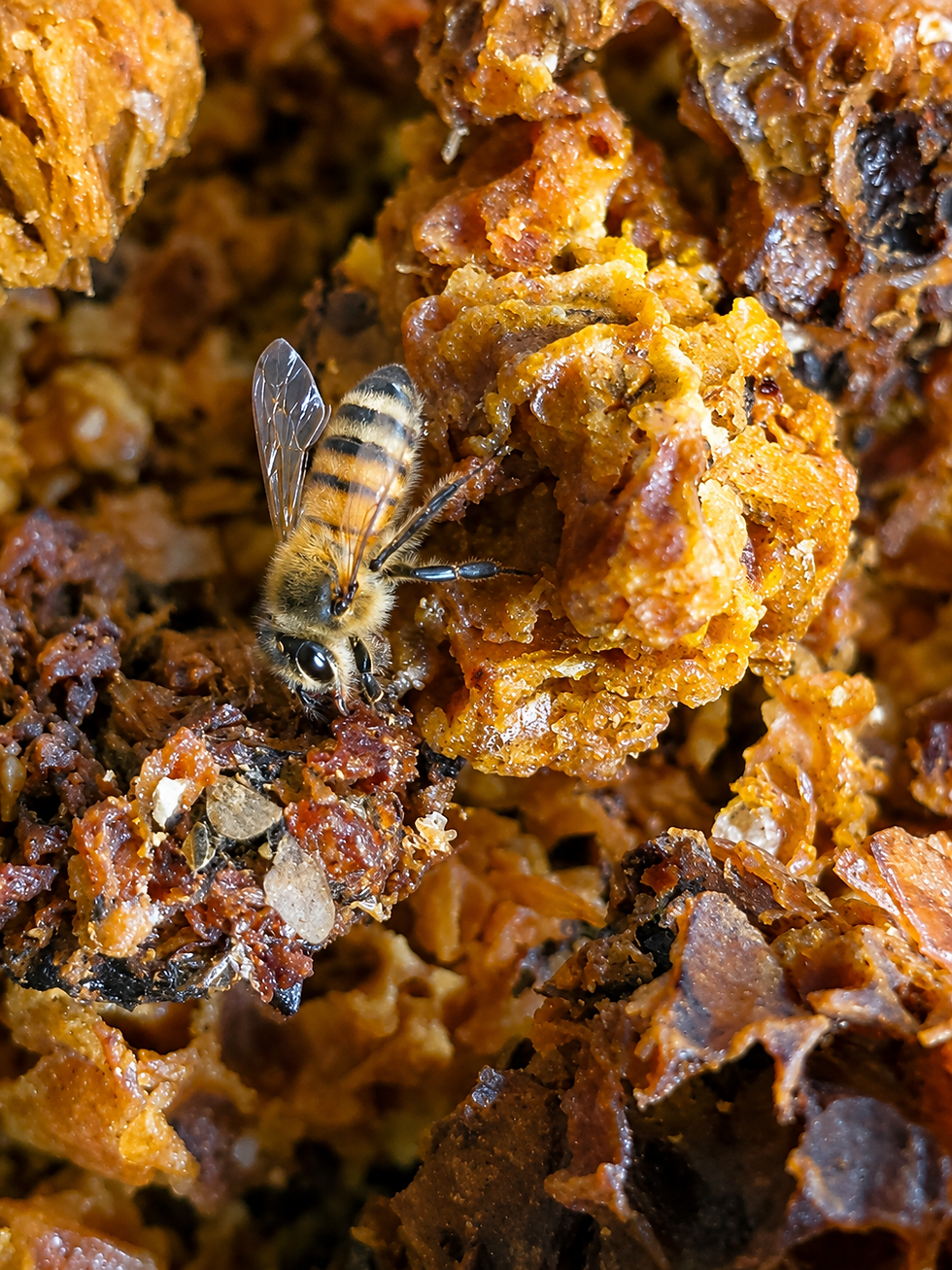
Bees are often referred to as the unsung heroes of our food system. They play a crucial role in pollinating many of the crops we rely on for food. Here’s why bees are so important:
Pollination
Food Production: Approximately one-third of the food we consume relies on pollination, with bees being responsible for a significant portion of this work. Fruits, vegetables, and nuts are just a few examples of crops that depend on bee pollination.
Economic Value: The economic value of bee pollination is estimated to be in the billions of dollars annually. This highlights the importance of protecting bee populations to ensure food security and economic stability.
Biodiversity
Ecosystem Balance: Bees contribute to the health of ecosystems by pollinating wild plants, which in turn support other wildlife. This balance is essential for maintaining biodiversity.
Habitat Creation: Many plants that bees pollinate provide food and shelter for other species, creating a thriving ecosystem.
Challenges Facing Small Farms and Bees
Despite their importance, small farms and bee populations face numerous challenges:
Economic Pressures
Competition with Large Farms: Small farms often struggle to compete with larger agricultural operations that benefit from economies of scale. This can lead to financial instability and, in some cases, farm closures.
Market Access: Small farmers may have difficulty accessing markets, especially in areas dominated by large grocery chains. This can limit their ability to sell their products and sustain their operations.
Environmental Threats
Pesticides: The use of harmful pesticides in industrial agriculture poses a significant threat to bee populations. These chemicals can kill bees directly or disrupt their ability to forage and reproduce.
Habitat Loss: Urbanization and industrial farming practices have led to the loss of natural habitats for bees and other pollinators. This loss of habitat can severely impact their populations.
How We Can Support Small Farms and Bees
As consumers, we have the power to make choices that support small farms and protect bee populations. Here are some practical steps we can take:
Buy Local
Farmers' Markets: Shopping at local farmers' markets is a great way to support small farms. You can find fresh produce, meats, and dairy products while directly supporting local farmers.
Community Supported Agriculture (CSA): Joining a CSA program allows you to buy a share of a local farm's harvest. This not only supports the farm but also ensures you receive fresh, seasonal produce.
Educate Yourself and Others
Learn About Sustainable Practices: Understanding sustainable farming practices can help you make informed choices about the food you purchase. Look for labels that indicate organic or sustainable farming methods.
Spread Awareness: Share information about the importance of small farms and bees with friends and family. The more people understand these issues, the more likely they are to support local agriculture.
Advocate for Policy Changes
Support Local Legislation: Advocate for policies that support small farms and protect pollinators. This can include zoning laws that protect farmland and regulations that limit pesticide use.
Engage with Local Representatives: Reach out to your local representatives to express your support for initiatives that benefit small farms and promote sustainable agriculture.
Conclusion
Supporting small farms and protecting bee populations is crucial for the health of our communities, economies, and ecosystems. By making conscious choices as consumers, we can help sustain these vital components of our food system. Whether it's buying local produce, educating ourselves and others, or advocating for policy changes, every action counts. Together, we can ensure a brighter future for small farms and the bees that play such a critical role in our world.

Let’s take action today to support these essential elements of our food system and
contribute to a healthier planet for generations to come.


Comments