
Pollinator Education: Introducing the Indiana Pollinator Protection Coalition

Healthy pollinators are essential to healthy ecosystems, thriving farms, productive gardens, and the food we enjoy every day. Yet across Indiana and throughout the United States, bees, butterflies, and many other beneficial insects face increasing challenges from habitat loss, pesticide exposure, disease, parasites, and changing environmental conditions.
At Hi Vibe Honey Bees & Apothecary, caring for pollinators has always been at the heart of what we do. Our commitment to chemical-free beekeeping naturally led us to a broader mission: helping protect all pollinators and encouraging thoughtful stewardship across our communities.
That commitment inspired the creation of the Indiana Pollinator Protection Coalition.
Why Pollinators Matter
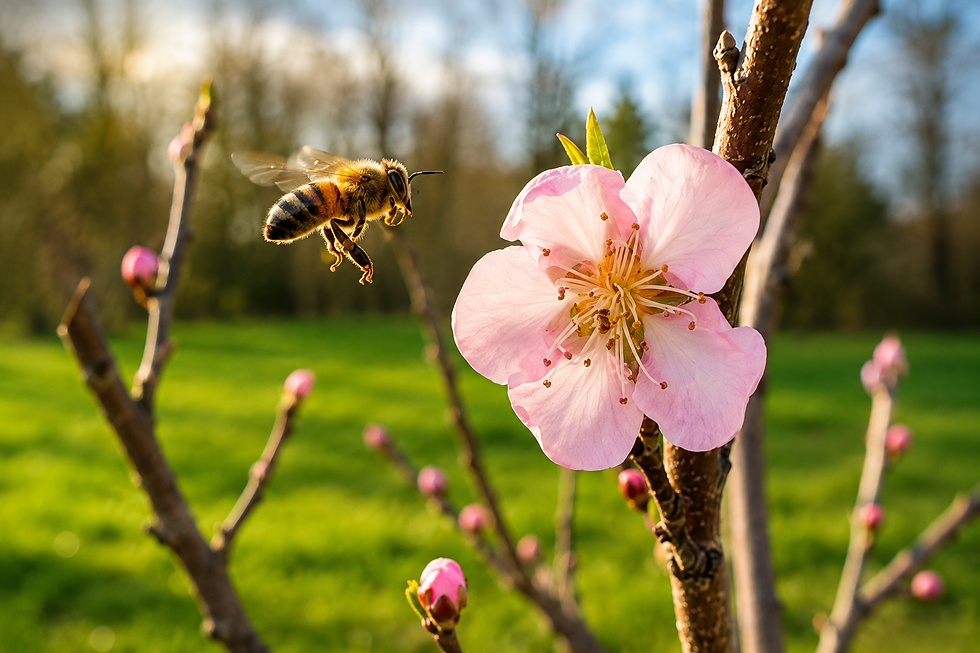
Pollinators do far more than produce honey.
Honey bees, native bees, butterflies, moths, flies, beetles, hummingbirds, and many other species help pollinate flowering plants that produce fruits, vegetables, nuts, seeds, and countless wildflowers.
Without healthy pollinator populations, many crops would produce fewer fruits and seeds, natural ecosystems would suffer, and biodiversity would decline.
Protecting pollinators isn't simply about protecting bees—it's about protecting the health of our environment and food systems.
The Challenges Facing Pollinators
Pollinators face a combination of pressures that often work together rather than independently.
These include:
Habitat loss due to development and changing land use.
Reduced availability of diverse flowering plants throughout the growing season.
Parasites and diseases that affect honey bee colonies.
Weather extremes that disrupt forage and nesting.
Exposure to pesticides and other agricultural chemicals.
No single issue tells the whole story, which is why meaningful solutions require education, cooperation, and continued research.
Why We Started the Indiana Pollinator Protection Coalition
The Indiana Pollinator Protection Coalition was created to bring together individuals who care about pollinators and want to be part of positive change.
Our mission is to:
Promote pollinator education.
Encourage responsible stewardship.
Support practical solutions that benefit both agriculture and pollinator health.
Raise awareness about the challenges pollinators face.
Build a community of people who care about protecting Indiana's pollinators.
We believe lasting change begins with informed, respectful conversations and people working together toward common goals.
How You Can Help
Protecting pollinators doesn't require owning bees.
Every person can make a difference by:
Planting native flowers that bloom throughout the growing season.
Providing clean water sources for pollinators.
Reducing unnecessary pesticide use around flowering plants.
Supporting local beekeepers and small farms.
Leaving some natural habitat for native pollinators.
Sharing accurate information about pollinator conservation with others.
Small actions, repeated by many people, create meaningful change.
Join the Conversation
Whether you're a beekeeper, gardener, farmer, conservationist, or someone who simply appreciates the importance of pollinators, your voice matters.
The Indiana Pollinator Protection Coalition welcomes people who believe education, collaboration, and thoughtful stewardship are essential to protecting the insects that support our farms, gardens, forests, and natural landscapes.
Together, we can help build a healthier future for Indiana's pollinators.
Continue Learning
Explore more educational articles from Hi Vibe Honey Bees & Apothecary:
If you'd like to learn more about our mission, connect with others who care about pollinators, and help support pollinator education across Indiana, we invite you to visit the Indiana Pollinator Protection Coalition and become part of the conversation.


Comments