
Native Pollinators of Indiana

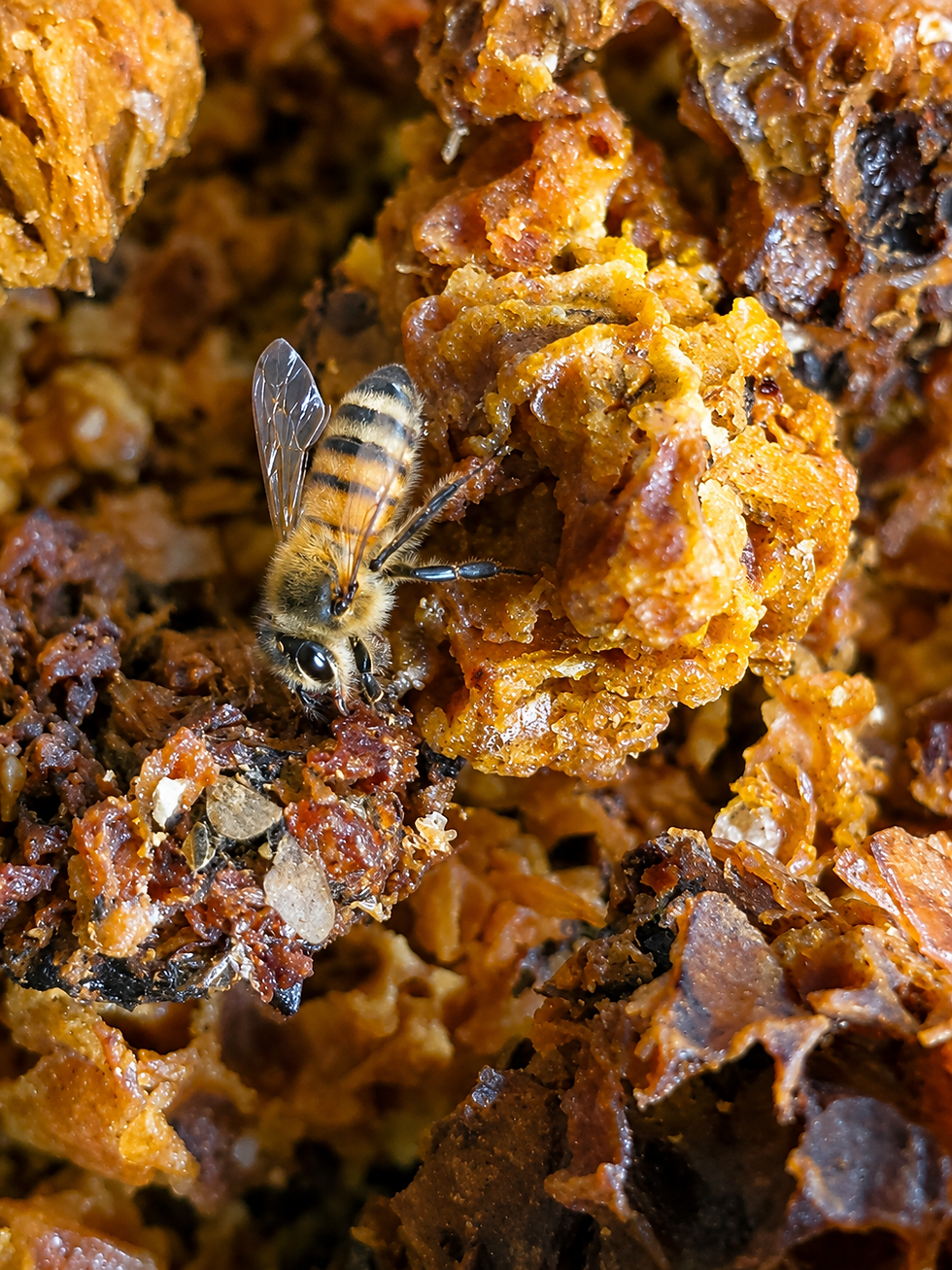
When people think about pollinators, honey bees are often the first insects that come to mind. While honey bees play an important role in agriculture and food production, they are only one part of Indiana's diverse pollinator community.
Our state is home to hundreds of native pollinator species, each contributing to the reproduction of wildflowers, trees, shrubs, and many of the plants that support wildlife and healthy ecosystems.
Learning about Indiana's native pollinators helps us better understand the incredible diversity of life that exists right in our own backyards.
What Is a Native Pollinator?
A native pollinator is an animal that naturally occurs in a particular region and helps transfer pollen from one flower to another.
Unlike managed honey bee colonies, most native pollinators live independently in forests, prairies, meadows, wetlands, and even residential landscapes.
Together, they help maintain healthy ecosystems by supporting the reproduction of countless native plants.
Native Bees
Indiana is home to hundreds of species of native bees.
Unlike honey bees, which live in large colonies, many native bees are solitary, meaning each female builds and cares for her own nest.
Some of the native bees commonly found in Indiana include:
Bumble bees
Mason bees
Leafcutter bees
Mining bees
Sweat bees
Carpenter bees
Many native bees are highly efficient pollinators and are active during different times of the growing season, making them valuable partners in maintaining healthy plant communities.
Butterflies
Butterflies are among Indiana's most recognizable pollinators.
As they visit flowers for nectar, they carry pollen from bloom to bloom while adding beauty and diversity to gardens and natural areas.
Some familiar species include:
Monarch butterflies
Eastern tiger swallowtails
Black swallowtails
Painted ladies
Red admirals
Planting native flowers and host plants helps support butterfly populations throughout their life cycle.
Moths
Although they are often overlooked, moths are important pollinators—especially during the evening and nighttime hours.
Many flowering plants depend on nocturnal pollinators, making moths an essential part of Indiana's pollinator community.
Beetles
Beetles were among the earliest insect pollinators.
While they aren't as specialized as bees, they visit many flowering plants while feeding on pollen and nectar, helping transfer pollen as they move.
Flies
Several species of flies also contribute to pollination.
Hover flies, in particular, are commonly mistaken for bees because of their similar appearance.
In addition to pollinating flowers, many hover fly larvae help control garden pests by feeding on aphids.
Wasps
Although wasps are often viewed only as predators, many species also visit flowers for nectar and contribute to pollination.
They play multiple ecological roles by helping control insect populations while also pollinating certain flowering plants.
Hummingbirds
Indiana's Ruby-throated Hummingbird is another important pollinator.
As these tiny birds feed on nectar from tubular flowers, they transfer pollen between blooms, particularly among plants adapted for bird pollination.
Why Pollinator Diversity Matters
Different pollinators visit different flowers at different times of the day and throughout the seasons.
This diversity helps ensure that a wide variety of plants receive the pollination they need to reproduce successfully.
A healthy ecosystem depends on many pollinator species working together—not just honey bees.
How You Can Help Native Pollinators
Supporting native pollinators doesn't require a large property.
Simple actions can make a meaningful difference:
Plant native flowers.
Provide blooms from spring through fall.
Reduce or avoid pesticide use.
Leave some natural habitat.
Provide shallow water sources.
Preserve nesting areas whenever possible.
Even a small pollinator-friendly space can provide valuable habitat for wildlife.
Our Commitment to Pollinator Conservation
At Hi Vibe Honey Bees & Apothecary, we believe protecting pollinators means caring for all pollinators.
While honey bees are an important part of what we do, we also value Indiana's native bees, butterflies, moths, beetles, flies, hummingbirds, and the countless other species that contribute to healthy ecosystems.
Through education, responsible beekeeping, habitat conservation, and the work of the Indiana Pollinator Protection Coalition, we hope to encourage greater appreciation for every pollinator that helps keep Indiana's landscapes thriving.
Continue Learning
Interested in learning more about protecting Indiana's pollinators? Continue exploring these related articles:
Support Pollinators in Your Community
Healthy pollinator populations benefit gardens, orchards, farms, and natural ecosystems. Learn more about our Local Pollination and Rent a Hive services and how responsible beekeeping can complement thriving pollinator habitats.
Explore Our Shop
Celebrate the beauty of nature with handcrafted products inspired by honey bees, herbs, mushrooms, and healthy ecosystems.


Comments