
What Makes Raw Honey Different?

Updated: Jul 8

Honey may seem simple, but there is a lot more to it than most people realize. From the way bees gather nectar to how honey is harvested, strained, stored, and handled, every step affects the final product.
At Hi Vibe Honey Bees & Apothecary, our honey is produced with care from chemical-free hives that are never fed sugar water. Our goal is to offer honey that reflects the work of the bees, the plants around them, and the natural seasons of our Indiana apiary.
How Bees Make Honey
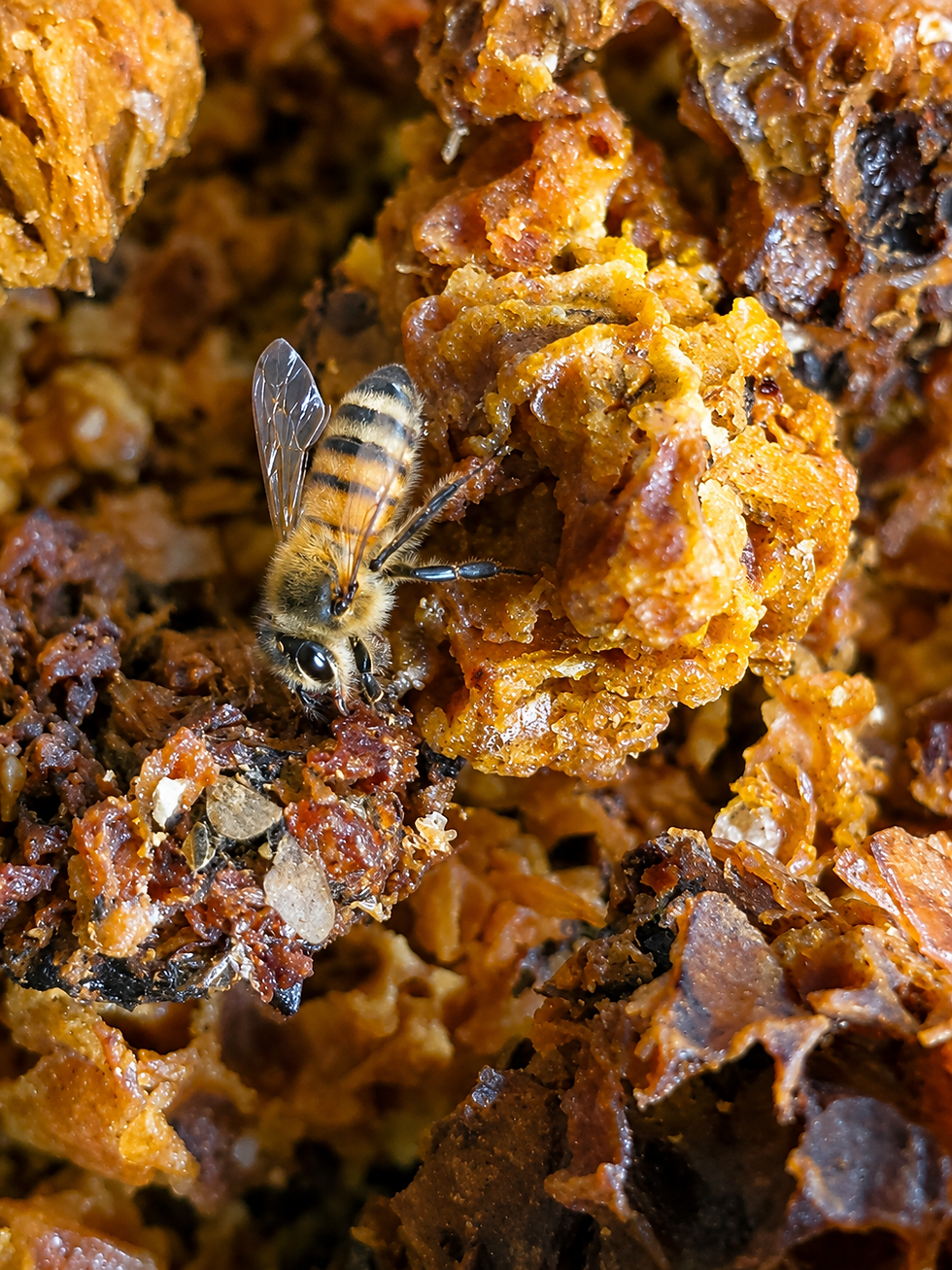
Honey begins with flowers. Honey bees collect nectar and bring it back to the hive, where it is passed among bees and gradually transformed. The bees reduce the moisture content, add natural enzymes, and store the finished honey in wax comb. Once the honey is ready, the bees cap it with beeswax.
This process is one of the many reasons real honey is so special. It is not simply a sweetener. It is the result of thousands of bee visits to blooming plants and careful work inside the hive.
Raw Honey vs. Processed Honey
The word “raw” can be confusing because there is no single federal definition for raw honey in the United States. In general, people use the term to describe honey that has not been heavily heated, pasteurized, or ultra-filtered.
Many commercial honeys are heated and finely filtered to create a clear, smooth product that stays liquid longer on store shelves. While that may look attractive, it can also remove much of what makes honey unique.
Our honey is lightly strained, not heavily processed. That means we remove larger pieces of wax or hive material while keeping the honey as close to its natural state as possible.
Why Our Honey May Crystallize
Crystallization is one of the most misunderstood things about honey. Many people assume crystallized honey has gone bad, but that is not true.
Crystallization is a natural process. Honey contains natural sugars, mainly glucose and fructose, and over time the glucose may separate and form crystals. Raw or lightly strained honey may crystallize faster because it still contains natural particles like pollen or tiny wax traces that can encourage crystal formation.
Crystallized honey is still good honey. In fact, it is often a sign that the honey has not been overly processed. You can eat it as-is, spread it on toast, stir it into warm tea, or gently warm the jar in a bowl of warm water if you prefer it liquid again.
Avoid boiling or microwaving honey, especially if you want to preserve its natural character.
Why Chemical-Free Beekeeping Matters to Us
We believe the way bees are cared for matters just as much as the honey itself. Our hives are managed without chemical treatments, and we do not feed sugar water.
Many beekeepers feed sugar syrup at certain times of year, especially when colonies are short on food. Our approach is different. We want our bees to rely on the honey and resources they gather naturally, and we believe that creates a product that better reflects the land, flowers, and seasons around us.
This is part of what sets Hi Vibe honey apart. It is not mass-produced, blended, or stripped down for shelf appeal. It comes from real hives, cared for with intention.
Lightly Strained, Never Overworked
There is a difference between strained honey and heavily filtered honey. Straining removes larger pieces of wax or debris, while heavy filtering can remove much finer natural particles from the honey.
Our honey is lightly strained so it remains clean and enjoyable while still keeping its natural character. We do not aim for a factory-perfect product. We aim for honest honey that reflects the bees and the land.
Local Honey Has Character
Honey changes depending on where the bees forage. The flowers blooming near the hives influence the color, aroma, and flavor. Some batches may be lighter and floral, while others may be darker, richer, or more earthy.
That variation is a good thing. It means the honey is connected to a real place and a real season.
Our bees are located in Paoli, Indiana, near the Hoosier National Forest. The surrounding landscape gives our honey its own local character, and every harvest can be a little different.
What to Look for When Buying Honey
When choosing honey, look beyond the label. Ask:
Was it heavily heated or pasteurized?
Was it ultra-filtered?
Is it blended with cheaper sweeteners?
Are the bees cared for naturally?
Do you know where it came from?
Are chemicals treatments used inside the hive ?
Real honey should come with a real story. At Hi Vibe Honey Bees & Apothecary, we are proud to share ours.
How to Store Honey
Honey stores best in a sealed container at room temperature, away from excess heat, sunlight, and moisture. Do not refrigerate it unless you specifically want to speed up crystallization.
If your honey crystallizes, simply place the closed jar in warm water and let it slowly soften. Stir gently if needed.
Our Promise
Hi Vibe honey is produced with respect for the bees, the land, and the people who bring it into their homes. Our honey is:
From chemical-free hives
Never fed sugar water
Lightly strained
Never overheated
Harvested in small batches
Harvested from our Southern Indiana apiary
We believe good honey should be more than sweet. It should be honest, carefully handled, and rooted in the health of the hive.
Shop Hi Vibe Honey
Ready to experience real honey from chemical-free hives?
Browse our honey collection and taste the difference thoughtful beekeeping makes.


Comments